Cone-Bucket Fly Catcher (2 Fans): A Hands-Off Way to Trap Flies
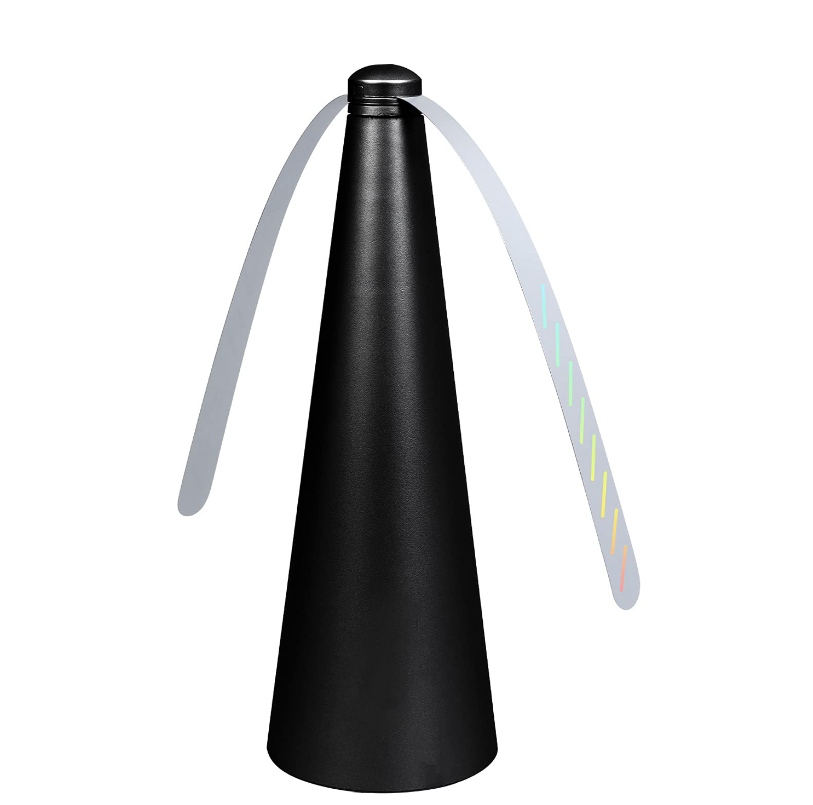 Cone Bucket Fly Catcher -2 Fans Installed Dry Battery Battery Compartm$30.99Shop →
How a cone-bucket catcher works
This is a passive insect trap with a clever shape. Two small fans pull air — and the flies riding it — down through a cone into a bucket-style chamber below. The cone makes it easy for insects to get in and awkward for them to climb back out, so they collect in the lower compartment. It runs on dry-cell batteries from a built-in compartment, so you can set it down anywhere without a power cord.
Why the bucket design appeals
Unlike a swatter, this is a set-it-and-leave-it tool. You position it where flies gather and let the fans do the work while you get on with your day. That makes it a sensible choice for:
- Kitchens and dining areas where a few persistent flies hover near food.
- Patios and porches during the warmer months.
- Garages, sheds, and workshops where you'd rather not chase bugs by hand.
What to check before you buy
- Battery size: confirm which dry-cell type it needs so you can stock spares.
- Easy-empty chamber: a bucket that detaches and cleans out simply is far nicer to live with.
- Stable footprint: it should sit firmly on a counter or table without tipping.
- Quiet fans: since it runs for long stretches, a low hum beats a loud one in a kitchen.
Getting the best results
Placement is everything with a passive trap. Set it near where you actually see flies — close to a fruit bowl, a bin, or a sunny windowsill — rather than in the middle of the room. Give it time; this isn't an instant swatter, it works gradually as insects wander in. Run it with fresh batteries so the fans keep steady airflow.
Cleaning and storage
A trap is only pleasant to use if you keep it clean:
- Empty the chamber regularly so it doesn't become unpleasant, and wipe it out before reuse.
- Remove the batteries before long-term storage. Idle dry cells can leak and ruin the compartment — this is the most common way these gadgets die.
- Don't mix old and new batteries or different brands, and keep the unit dry.
As a low-effort, cordless way to thin out the flies in a room, a cone-bucket catcher fills a useful niche between a swatter and a plug-in trap — quiet, simple, and always working in the background.
FAQ
- How is this different from an electric fly swatter?
- A swatter is active — you swing it. A cone-bucket catcher is passive: you place it down and its two fans draw flies into a chamber over time. It's better for hands-off, continuous use.
- What powers it?
- It uses dry-cell batteries in a built-in compartment, so no charging cable is needed. Check the listing for the exact battery size, and remove the batteries before storing it for a season.
- Where should I put it for best results?
- Place it close to where flies actually gather — near a fruit bowl, bin, or sunny window — rather than in open space. Give it time, since it works gradually rather than instantly.