PD Fast-Charge Cables Explained: How to Top Up Your Phone in Less Time
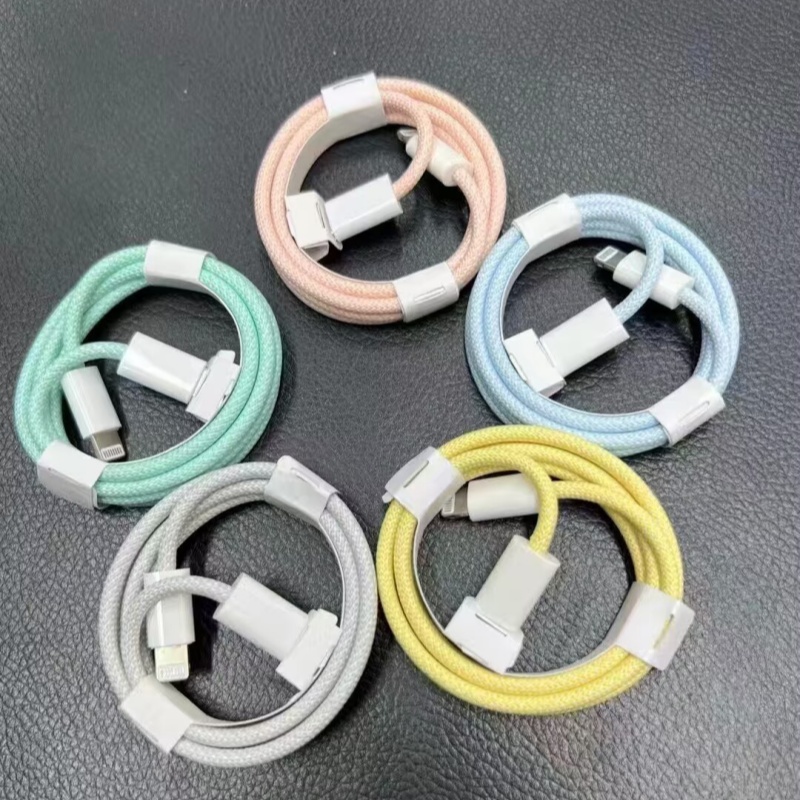 PD Fast-charging Phone Fast-charge Cable$2.99Shop →
You bought a fast charger, plugged your phone in, and it still crawls. Before blaming the adapter, look at the cable. With Power Delivery (PD) charging, the cable is an active part of the handshake between charger and phone, and a basic one can quietly cap your speeds.
What Power Delivery actually is
Power Delivery is a charging standard that lets a phone and charger negotiate how much power flows, instead of defaulting to a slow trickle. When all three pieces support it, the device can request a higher rate at the start of a charge, then taper off as the battery fills. A PD cable is built to carry that conversation and the current that follows.
Why the cable matters as much as the charger
A cable that isn't rated for higher power becomes the weakest link. Even with a capable charger and a compatible phone, an underspecified cable can limit throughput, run warm, or fall back to standard charging. A proper PD fast-charge cable is constructed to handle the negotiated load so the other two components can do their job.
How to choose the right one
- Match the connectors. Check both ends. Most modern PD setups use USB-C on the charger side, with USB-C or Lightning at the phone. Buy the combination your devices actually use.
- Confirm your phone supports PD. A fast cable can't add a feature your handset lacks. Check your phone's charging documentation first.
- Think about length. A short cable suits a bedside or desk setup; a longer one is friendlier for using the phone while it charges. Longer runs can be more demanding electrically, so a quality build helps.
- Look at the housing. Reinforced or braided jackets and sturdy strain relief near the plugs tend to outlast thin rubber cables that kink at the connector.
Common situations where it helps
A reliable PD cable shines when you're short on time: a quick top-up before heading out, a working lunch where you plug in for half an hour, or travel days when you want to share one capable charger across devices. It's also handy for keeping a power bank and phone talking at their best rate.
Getting the most from it
Use the cable with a charger that supports the same standard, and keep both ends clean and dry. Avoid yanking the cable out by the cord, pull from the connector. Don't wrap it tightly around the adapter for storage, since sharp bends stress the wires inside over time. If charging slows, try a different known-good outlet or charger to isolate whether the cable, adapter, or phone is the limiting factor.
FAQ
- Will this cable make any phone charge faster?
- No. It can only deliver fast charging if your phone, the charger, and the cable all support Power Delivery. The cable removes one common bottleneck, but it can't add a capability your phone or adapter doesn't have.
- Can I use a PD cable for regular charging and data?
- Yes. A PD cable still works as a normal charging cable with standard adapters, and USB-C cables can typically carry data too, though transfer speed depends on the cable and the devices.
- Does a longer cable charge more slowly?
- A well-made cable of reasonable length should perform fine. Very long or poorly built cables can introduce more resistance, so if speed matters most, a shorter quality cable is the safer choice.