Essential Guide to Stage Performance Classical Retro Dynamic Microphones
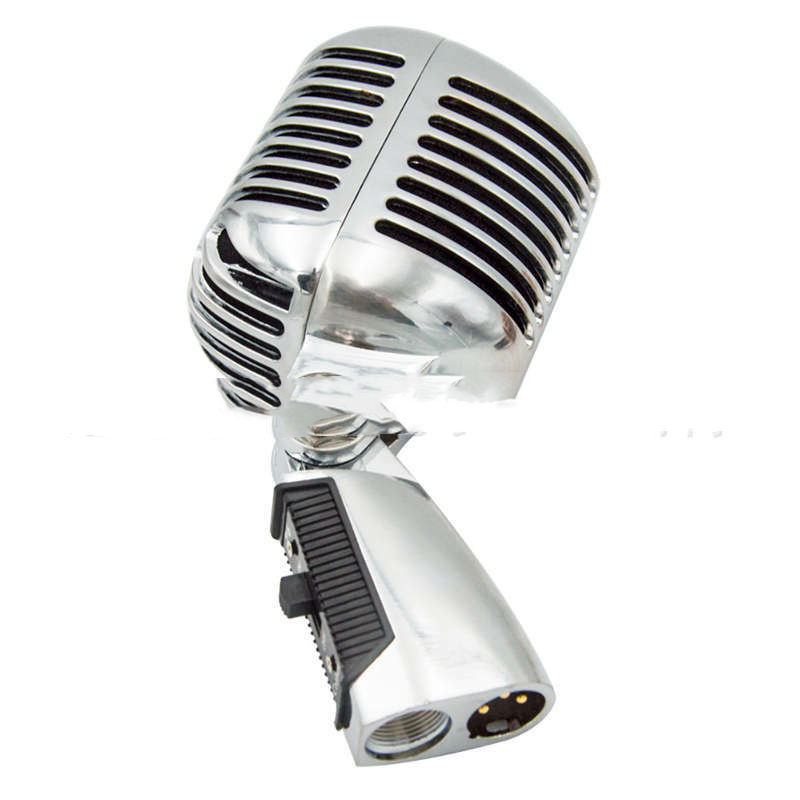 Stage Performance Classical Retro Dynamic Microphone$50.99Shop →
When it comes to delivering a stellar performance on stage, the right microphone can make all the difference. Classical retro dynamic microphones blend vintage aesthetics with modern sound technology, making them a popular choice for musicians and performers. This guide will help you understand what to look for when purchasing a classical retro dynamic microphone.
Key Features to Consider
Before making a purchase, it's essential to understand the key features that define a quality classical retro dynamic microphone:
- Sound Quality: Look for microphones that offer a warm and rich sound. Retro dynamic microphones are known for their ability to capture vocals and instrument sounds without distortion.
- Build Quality: A sturdy construction is vital, especially for live performances. Choose microphones made with durable materials that can withstand the rigors of touring.
- Polar Pattern: Most classical retro dynamic microphones feature a cardioid polar pattern, which is ideal for live settings. This design minimizes background noise and focuses on the sound source in front of the mic.
- Frequency Response: A good frequency response range will enhance the clarity of vocals and instruments. Look for microphones that cover a broad range, ideally from 50Hz to 15kHz or more.
Benefits of Using a Classical Retro Dynamic Microphone
Choosing a classical retro dynamic microphone offers several advantages:
- Vintage Aesthetic: These microphones often have a unique, nostalgic design that can enhance the visual appeal of your stage setup.
- Durability: Dynamic microphones are generally more robust than their condenser counterparts, making them less susceptible to damage from drops or rough handling.
- Affordability: Compared to condenser microphones, dynamic microphones tend to be more budget-friendly, allowing you to invest in additional stage equipment.
How to Choose the Right Microphone for Your Needs
When selecting a classical retro dynamic microphone, consider the following factors:
- Purpose: Determine if you will primarily use the microphone for vocals, instruments, or both. Some models may perform better with specific sound sources.
- Compatibility: Ensure that the microphone is compatible with your audio equipment, including mixers and amplifiers. Check the connectors and any necessary adapters.
- Budget: Set a budget based on your needs and preferences. While there are excellent options at various price points, investing in a quality microphone can significantly impact your sound quality.
Maintenance Tips for Longevity
To ensure your classical retro dynamic microphone lasts for years, keep these maintenance tips in mind:
- Storage: Always store your microphone in a protective case when not in use to prevent physical damage.
- Cleaning: Regularly clean the microphone grill and body to remove dirt and debris. Use a soft cloth and avoid using harsh chemicals.
- Handling: Use a microphone stand whenever possible to reduce the risk of dropping and damaging the mic during performances.
FAQ
- What is the best use for a classical retro dynamic microphone?
- These microphones are ideal for live performances, capturing vocals and instruments with a warm, vintage sound.
- Are classical retro dynamic microphones suitable for studio recordings?
- Yes, while they are primarily designed for live use, they can also deliver great results in studio settings, especially for vocal tracks.
- How do I connect a classical retro dynamic microphone to my audio system?
- Most dynamic microphones use XLR connectors. Ensure your audio system has compatible input ports or use an adapter if necessary.